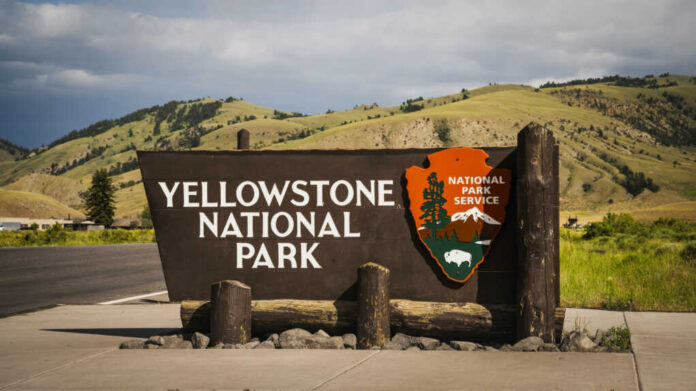
A viral clip of a bison launching a man into the air has exploded online, but Yellowstone’s own records tell a very different story.
Story Snapshot
- A short video claims to show a bison hurling a man about 8 feet high at a Yellowstone campground.
- Official National Park Service records list only one 2026 bison injury so far, involving a 12-year-old child near Mud Volcano, not a camper at a campground.
- Multiple established outlets echo the same child incident and do not mention any campground attack on an adult.
- Park officials warn that bison are the most dangerous large animal in Yellowstone, but stress that many viral attack clips online are not backed by real incident reports.
What The Viral Video Claims Vs. What Officials Report
Conservative site RedState and several social posts are pushing a dramatic clip that appears to show a bull bison tossing a man high into the air at what is described as a Yellowstone campground. The story says the animal launched the man about eight feet up, with serious injuries, and places the scene at a campground setting that looks like Bridge Bay Campground. Supporters point to the clip as proof, but they have not provided the man’s name, a confirmed date, or a park incident number tied to the event.
Yellowstone National Park and the National Park Service tell a different story for 2026. Their official news release states that a 12-year-old visitor was injured by a bison on June 26 at about 9:15 a.m. near Mud Volcano, just north of Fishing Bridge. Emergency crews took the child to a nearby hospital, and the report calls this the first reported bison attack in Yellowstone so far in 2026. No adult camper tossed into the air at a campground appears in any National Park Service record for this year.
What Credible News Outlets Are Actually Reporting
Major outlets across the spectrum have covered the June 26 child injury, all with the same basic facts. ABC News reports that a child visiting Yellowstone was hurt by a bison near Mud Volcano and taken to a hospital, quoting park officials and repeating the National Park Service warning that bison have injured more people in the park than any other animal. Fox Weather notes this was the first reported bison attack in Yellowstone so far in 2026 and lists past years’ bison incidents the park has tracked.
Regional and local outlets match those details. Cowboy State Daily explains that the National Park Service statement did not give the child’s gender or exact injuries but confirms the June 26 timing and the Mud Volcano location. Television reports and online video segments repeat that same story and the same safety rules: stay at least 25 yards from big animals like bison, and 100 yards from bears and wolves. None of these reports mention a second, separate bison attack at a campground launching an adult eight feet into the air.
Why These Bison Stories Matter For Honest Reporting
Scientists and park history show that bison are truly dangerous, which is why visitors take these stories seriously. A peer-reviewed study of Yellowstone bison encounters found 25 people were injured between 2000 and 2015, with a median of one injury per year. National Park Service data for recent seasons shows one bison injury in 2023, several in 2024, and a man gored in 2025 after approaching a bison too closely. The pattern is clear: real attacks do happen, but when they do, Yellowstone almost always files a detailed public report.
•The tourist (a grandfather) sustained significant injuries from the July 10 bison attack at Bridge Bay Campground and remains hospitalized.43
•He was conscious and talking with family at the scene after Yellowstone EMS responded, but his grandson reported he is “not out of the…— TessHollie. BD Daunt (@TesshollieD) July 12, 2026
Park officials repeatedly warn that bison can run three times faster than humans and will defend their space when people crowd them. That warning has appeared again in coverage of the June 26 child injury, and in stories about other attacks near Old Faithful and the Lake Village area. For conservative readers, this highlights a key point: the danger from these animals is very real, but we should lean on official incident reports and solid facts, not just clicks and viral drama, when judging what actually happened and how often.
Sorting Real Risk From Viral Hype
Many readers are tired of being lectured by media that downplay risks or push political fear instead of simple truth. In this case, the data comes from the National Park Service itself and from outlets that quote named officials and specific incident numbers, not from vague “sources” online. Official records list one bison injury in Yellowstone so far in 2026, involving a 12-year-old child near Mud Volcano, and carefully detail that event as the first reported bison attack of the year. Until there is a matching report for a campground launch, the viral video stays in the unverified bucket.
For families planning trips, the takeaway is straightforward. Bison are powerful, unpredictable animals that will protect their space. Keeping a safe distance is common sense and lines up with both park rules and conservative values about personal responsibility. At the same time, refusing to accept every shocking clip as fact without evidence is just as important. Trust, but verify: demand names, dates, locations, and incident numbers. When Yellowstone files a real report, they put it in black and white. When social media does not, it is smart to question the story before sharing it.
Sources:
redstate.com, abcnews.com, nypost.com, foxweather.com, nps.gov, reddit.com, facebook.com