
Britain’s new under-16 social media ban is aimed at child safety, but critics say it may punish families while leaving the real platform problem untouched.
Quick Take
- Prime Minister Keir Starmer said the government will ban social media access for all children under 16.[2]
- He tied the move to bullying, addictive design, mental health concerns, and harmful content.[2]
- The policy is expected to target platform companies, not children, with enforcement left to regulators.[1][2]
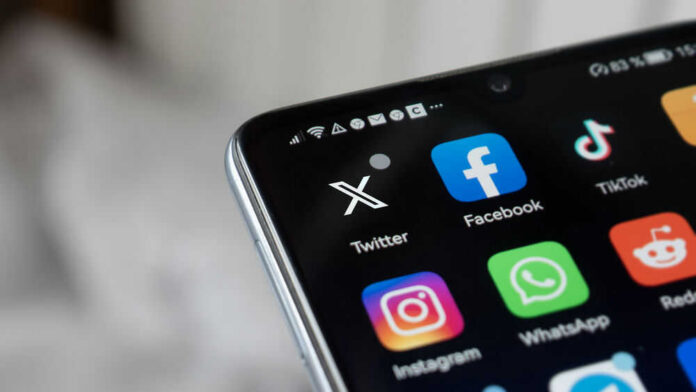
- Major platforms such as TikTok, YouTube, Instagram, Facebook, Snapchat, and X are expected to be covered, while messaging services are excluded.[1][2]
Why London Says It Needs the Ban
Starmer said the ban is meant to protect children from harm that now fills their screens. He told reporters that social media can make children unhappy, help bullies reach them, and expose them to dangerous content.[2] He also said the platforms are designed to keep young users hooked through features like endless scrolling. That message is central to the government’s case for acting now.
The government says the plan follows months of public consultation and strong parental support. Officials said the consultation drew 116,000 responses, and more than 90 percent backed an under-16 ban.[1][2] Ministers also said they want the rule in place early next year, after legislation moves through Parliament before Christmas.[1][2] The timing shows this is not a vague proposal. It is a fast-moving policy push.
What the Ban Would Cover
The announced policy would apply to major social media apps used by teens every day. Reported platforms include TikTok, YouTube, Instagram, Facebook, Snapchat, and X.[1][2] Reports also say YouTube Kids and messaging services such as WhatsApp and Signal are excluded.[2] That carve-out matters, because it shows the government is not treating every online service the same way. It is targeting services built around public posting and social interaction.
Starmer said enforcement would hit tech companies rather than children.[1][2] Australia’s model, which Britain says it wants to follow, uses platform-side enforcement and fines for companies that do not take reasonable steps to block under-16 accounts. That approach may make the rule easier to write on paper. It also raises the harder question of whether companies can enforce age checks fairly without pushing kids toward less safe corners of the internet.[1]
Why Critics Say the Policy Misses the Mark
Critics argue the ban treats the symptom, not the source. The ABC News report quotes a child-safety advocate saying the plan is easy to work around and does nothing to fix harmful algorithms or harmful content already on the platforms.[1] Donna Jones, the police and crime commissioner for Hampshire and the Isle of Wight, made a similar point, saying the government should punish companies that enabled the harm instead of punishing young people with a blanket ban. That concern will resonate with parents who want accountability, not another broad rule that may fail in practice.
The UK just moved to ban everyone under 16 from social media: TikTok, Instagram, Snapchat, Facebook, YouTube and X. Keir Starmer says it is about protecting children, and the concern is real.
A ban is only as good as its enforcement, and you cannot keep under 16s off an app… pic.twitter.com/TYBuP0j6M5
— Ghost Protocol (@ghostincomehq) June 15, 2026
There is also a practical problem with age verification. Australia’s system relies on platforms taking reasonable steps, but even supporters admit it is hard to block every child from getting around the rules. The British government has already signaled that it may expand the policy later with curfews and other limits for users under 18.[1][2] That suggests the state may keep widening its reach if the first version proves weak. For readers wary of government overreach, that is the part to watch closely.
Sources:
[1] Web – UK Prime Minister To Enforce Social Media Ban for Teens, But Omits …
[2] Web – Starmer announces social media ban for under-16s as part of … – ITVX