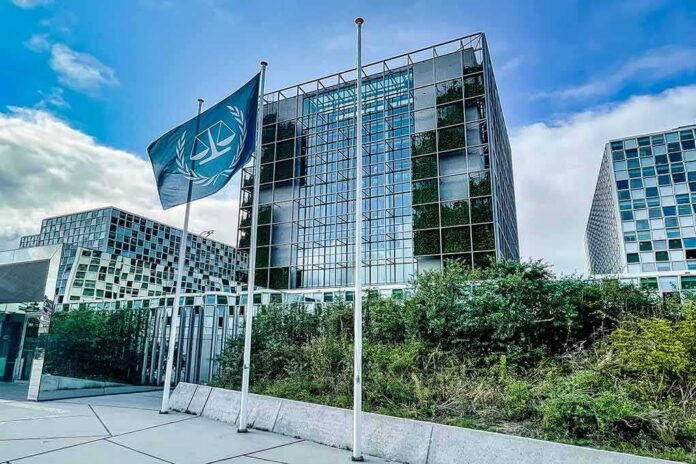
Venezuela has formally quit the International Criminal Court, calling it biased against the Global South and notifying the United Nations of an “irrevocable” withdrawal.
Story Highlights
- Venezuela told the United Nations it will leave the International Criminal Court, citing “geographical bias.”
- The move follows years of scrutiny of Venezuelan officials by the court.
- The United States welcomed the withdrawal as a step away from a politicized tribunal.
- A United Nations fact-finding body warned the exit could weaken accountability.
Venezuela’s Formal Exit And Stated Reason
Venezuela’s foreign minister said the government delivered formal notice to the United Nations that the country will withdraw from the Rome Statute that created the International Criminal Court. Officials called the decision “irrevocable” and argued the court shows “geographical bias” against countries in Africa and Latin America. The statement framed the exit as a defense of national sovereignty against outside legal pressure. The step marks a clear break with the Hague-based body and its reach over Venezuelan cases.
Independent outlets in Caracas echoed the government’s claim of bias and said local institutions should handle any wrongdoing. Supporters cast the move as overdue after years of disputes with global bodies. Critics countered that the exit sends the wrong message while cases still sit on the court’s docket. Newsrooms in the region reported the notice as final and binding language, using the government’s own description of “firm and irrevocable” withdrawal to signal the scope of the step.
What The Court Was Probing And Why It Matters
International reporting states the court had been examining alleged abuses by Venezuelan security forces and officials for several years. That review focused on claims tied to protests, detention practices, and state-led crackdowns. The probe raised the risk of future charges against named figures if judges found evidence met legal tests. Leaving the treaty does not erase past events, but it complicates future cooperation, arrest requests, and on-the-ground access for court teams.
Venezuela’s move fits a pattern seen when international courts look at powerful insiders. Governments under scrutiny often argue that global legal bodies apply rules unevenly and ignore due process at home. Court backers answer that exits dodge accountability and harm victims who seek justice beyond politics. That clash—sovereignty versus universal jurisdiction—has defined many fights over these tribunals. Each side claims the rule of law is on its side when jurisdiction lines get tested.
U.S. Response And Implications For Policy
The United States publicly welcomed Venezuela’s withdrawal and criticized the court as politicized. The statement aligned with long-running American concerns that the tribunal has strayed from a narrow legal mission into power politics. Washington’s message framed the development as a chance to push bilateral and regional tools that target human rights abusers directly. That includes sanctions, visa bans, and support for local accountability when institutions can carry out real cases.
🇹🇩 Chad, documented funneling arms to Sudan’s RSF, pulls out of the ICC under US pressure, complicating Darfur genocide probe
🔸Chad’s Foreign Ministry said Monday it has notified the UN secretary-general of its decision to withdraw from the Rome Statute, the treaty underpinning… https://t.co/Ad906GSGc0
— Drop Site (@DropSiteNews) July 28, 2026
For American readers, the shift also reduces space for foreign bodies to claim authority over United States nationals or allies. Supporters of limited global governance see a win for national sovereignty and elected oversight. They argue law must answer to voters and constitutions, not distant judges. They also note that selective prosecution erodes trust and can be used to punish political foes while ignoring real tyrants who shelter behind legal jargon and global committees.
Pushback From United Nations Fact-Finders
A United Nations fact-finding body urged Venezuela to return to the court and said the withdrawal could weaken accountability for abuses. That group warned that walking away might slow victims’ access to remedies when local courts fall short. The statement underscored an ongoing split between sovereignty advocates and those who prefer stronger international tools. It also signaled that pressure on Caracas will continue in other forums even after the treaty exit.
Legal experts note that treaty exits can raise technical questions about cases already opened or events that happened before withdrawal. Courts and states often dispute how far jurisdiction reaches once a country leaves. Those debates can stretch on for years and hinge on what cooperation foreign governments will still allow. For families seeking answers, delay itself can feel like denial. For states, delay can be leverage to shape outcomes on their own terms.
What Comes Next For Justice And Sovereignty
Venezuela’s step will test whether regional bodies and domestic courts can handle hard cases. If local trials move forward with real evidence, the government can point to action at home. If not, critics will say the exit gutted a key backstop. For the United States, this moment supports a broader push to check global institutions that overreach. The goal is simple: defend national sovereignty, punish real abusers, and keep justice close to the people it serves.
For conservatives, the lesson is clear. Global courts grow when free nations look away. When leaders stand up for borders, constitutions, and due process, distant judges lose their grip. Venezuela’s exit, whatever its motives, exposes a bigger truth: trust in justice depends on even rules and honest enforcement. If an institution cannot deliver both, countries will walk. The United States should keep leading with clear laws, strong deterrence, and respect for our own Constitution.
Sources:
zerohedge.com, state.gov, aljazeera.com, reuters.com, efe.com