President Trump and his unorthodox foreign policy team are ramping up pressure on Iran as nuclear negotiations hang in the balance, signaling that America’s national security interests will no longer be compromised by weak diplomacy or failed Obama-era deals.
Story Snapshot
- Trump discusses Iran strategy aboard Air Force One with Middle East envoy Steve Witkoff and Defense Secretary Pete Hegseth
- Administration maintains “maximum pressure” approach following June 2025 strikes on Iranian nuclear facilities
- Nuclear talks remain suspended after Iran rejected Trump’s February 2025 60-day negotiation deadline
- President warns of “very strong options” as Iran faces internal protests and economic collapse from sanctions
Trump Team Takes Hardline Approach on Iranian Nuclear Threat
President Trump convened with Middle East envoy Steve Witkoff and Defense Secretary Pete Hegseth aboard Air Force One to coordinate strategy on Iran’s nuclear program. The discussion reflects Trump’s commitment to preventing Iran from obtaining nuclear weapons through decisive action rather than empty diplomatic gestures. Witkoff, a successful real estate developer with no prior diplomatic experience, brings deal-making expertise that contrasts sharply with traditional State Department bureaucrats who enabled Obama’s disastrous 2015 Iran deal. Hegseth provides crucial military perspective as the administration evaluates all options to counter Iranian aggression and protect American interests in the region.
Maximum Pressure Strategy Delivers Results Where Obama Failed
Trump relaunched his “maximum pressure” sanctions campaign in February 2025, imposing over 1,500 sanctions targeting Iran’s oil exports and crippling its economy. This approach stands in stark contrast to Obama’s failed JCPOA nuclear deal, which gave billions to the terrorist regime while ignoring Iran’s ballistic missile program and support for terror proxies like Hezbollah and Hamas. The sanctions have devastated Iran’s economy, fueling widespread protests in January 2026 that threaten the regime’s stability. Trump issued a 60-day negotiation deadline and sent a March 7, 2025 letter to Supreme Leader Khamenei warning of military consequences for continued nuclear development.
Military Action Follows Through on American Strength
When Iran rejected Trump’s diplomatic overtures and continued enriching uranium, the United States bombed three Iranian nuclear facilities on June 21, 2025, including the Fordow, Natanz, and Isfahan sites. These decisive strikes temporarily halted Iran’s enrichment activities and demonstrated that America will defend its security interests with force when necessary. Israel, a key ally, conducted additional strikes on Iranian targets following the expiration of Trump’s negotiation deadline. This coordinated military pressure represents the kind of strength that keeps America safe, unlike the weakness displayed during Biden’s term when Iran advanced its nuclear program unchecked and funded terrorism throughout the Middle East.
Iran’s Regime Faces Internal Collapse and International Isolation
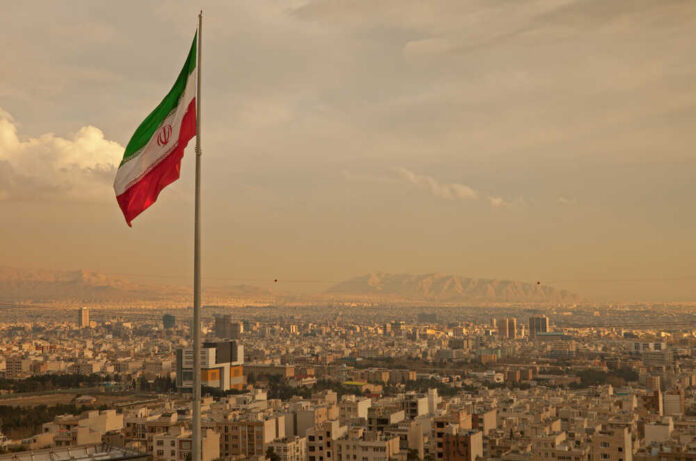
Iran’s economy continues deteriorating under sanctions that have slashed oil exports and damaged GDP growth. Widespread protests erupted in January 2026 as Iranian civilians suffer under the regime’s mismanagement and obsession with nuclear weapons over economic prosperity. Supreme Leader Khamenei rejected Trump’s February 2025 negotiation offer, demonstrating the regime’s commitment to obtaining nuclear weapons regardless of consequences for its people. Oman-mediated talks that began in April 2025 stalled after U.S. military strikes, leaving negotiations suspended indefinitely. Trump’s approach isolates Iran diplomatically while strengthening America’s partnerships with Israel and Saudi Arabia, creating a regional coalition committed to preventing Iranian nuclear ambitions and terrorist activities.
Trump, Witkoff, Hegseth Talk the Latest on Iran in Gaggle on Air Force Onehttps://t.co/yua6vD3sBj
— RedState (@RedState) March 8, 2026
The Trump administration’s strategy contrasts sharply with globalist approaches that prioritized multinational agreements over American security. By demanding Iran end uranium enrichment, dismantle its ballistic missile program, and cease support for terror proxies, Trump sets conditions for a real deal that protects American interests rather than appeasing a dangerous regime. Critics who supported Obama’s JCPOA enabled Iran to exceed pre-deal enrichment levels while funding terror networks across the Middle East. Trump’s team understands that strength, not weakness, prevents war and protects American lives. The president’s willingness to use military force while keeping negotiation options open demonstrates strategic leadership that puts America first in a dangerous world where weakness invites aggression.
Sources:
Trump Policy in the Middle East: Iran – Baker Institute
Iran One Year Later: The Trump Administration’s Policy, Looking Back and Looking Forward – CSIS
President Donald J. Trump Is Ending United States Participation in an Unacceptable Iran Deal
What Is the Iran Nuclear Deal? – CFR
The Iran Deal: Then and Now – Arms Control Center