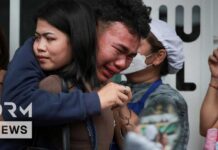
The White House’s move to end deportation protections for more than 300,000 Haitian nationals has left a pregnant Florida woman hiding and afraid to seek care.
Quick Take
- A 29-year-old Haitian expectant mother in Florida is in hiding after Temporary Protected Status ended.
- The Trump administration ended the long-running protection program for more than 300,000 Haitian nationals after a legal fight.
- She told CBS News she has lost her job, and her health insurance is due to run out.
- Another South Florida Haitian woman is six months pregnant with a high-risk pregnancy and fears losing medical coverage.
Fear Spreads as Protections End
CBS News reported that the woman said she is staying inside because she fears deportation at any moment. The report said she is among the Haitians who lost Temporary Protected Status after the Trump administration ended the program this week, citing improved conditions in Haiti. CBS also reported that she has already lost her job and expects her health coverage to run out soon.
The end of Temporary Protected Status matters far beyond one household. Another CBS report from South Florida said about 330,000 Haitians nationwide could lose legal protection, and one six-month pregnant woman with a high-risk pregnancy said she now worries about her baby’s care. That is the practical cost of a policy shift that turns legal status into daily fear for families already trying to work, raise children, and stay afloat.
What the Administration Changed
According to CBS, the Trump administration ended Temporary Protected Status for Haitian nationals after a prolonged legal fight. The same report said U.S. Immigration and Customs Enforcement planned to ramp up arrests and deportations of Haitian migrants just before the program expired. For supporters of secure borders, that is the point of enforcement. But the story also shows how fast a broad policy can reach into family life, medical care, and basic stability.
Temporary Protected Status was created to shield people from return to countries facing crisis. In this case, the end of that protection left many Haitian migrants exposed to detention and removal. For a pregnant woman, that risk is not abstract. It can mean skipping appointments, losing insurance, and living with constant stress during a high-risk pregnancy. Those are not small costs, especially when a family is already living on the edge.
Why Pregnancy Makes the Stakes Higher
This case fits a wider pattern seen in Haitian migration reporting. United Nations experts have warned that deportation fear can keep pregnant Haitian women from seeking medical help and can endanger their lives. Similar reporting from the Dominican Republic has described pregnant women avoiding hospitals because they feared detention or deportation. That does not change the legal debate over immigration. It does show why pregnancy makes enforcement decisions hit harder.
Haitian pregnant woman in Florida fears deportation as TPS ends: "I've been in this country most of my life" https://t.co/WSgQpf0Yug
— CBS News Texas (@CBSNewsTexas) August 9, 2026
The South Florida woman quoted by CBS said she previously worked full time and had health insurance, but now faces the loss of both. That detail matters because it shows how immigration policy and work authorization are tied together. When legal status ends, the fallout can spread quickly through a household. Jobs disappear, coverage fades, and families begin to hide indoors rather than risk a stop, a check, or a knock at the door.
Sources:
cbsnews.com, nytimes.com, ohchr.org, theguardian.com