Five new vents burst open at Kīlauea’s summit, sending fresh lava across Halemaʻumaʻu while officials keep the alert at WATCH.
Story Highlights
- U.S. Geological Survey reports five new summit vents with small lava flows
- All activity remains confined to Kīlauea’s summit inside the national park
- Current Volcano Alert Level is WATCH; Aviation Color Code is ORANGE
- Scientists describe ongoing spatter, overflows, and shifting tremor patterns
USGS Confirms New Vents And Lava Activity At Summit
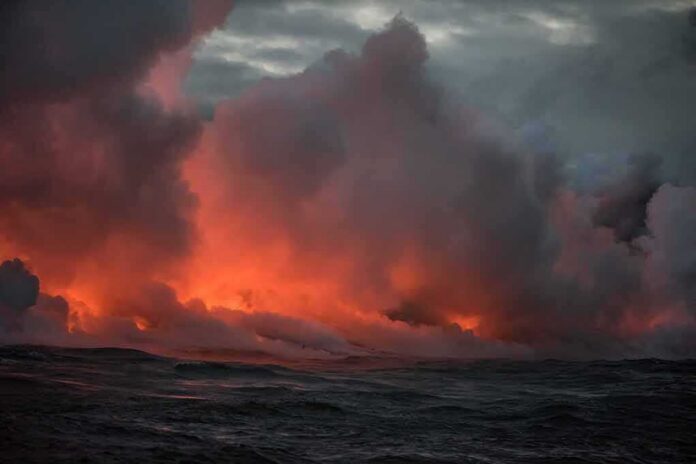
United States Geological Survey scientists reported five new vents opening on and near the northwest wall of Halemaʻumaʻu crater, with small lava flows spreading across the summit floor. The notice describes spattering from the north vent and periodic bursts from other vents, alongside changing tremor and stalled inflation. Officials stress this activity is part of the ongoing summit eruption sequence. The update helps visitors and residents track real hazards without hype or guesswork.
United States Geological Survey observers also documented continued small overflows from the north vent and new, tiny overflows from the south vent during overnight hours. Staff noted strong glow from all vents and intermittent spatter as conditions evolved through the day. These short, technical updates show how summit activity can rise and fall without large fountain displays, yet still reshape the crater floor and signal internal pressure changes that matter for safety inside the park.
Alert Levels And What They Mean For The Public
United States Geological Survey lists Kīlauea at Volcano Alert Level WATCH and Aviation Color Code ORANGE, which means heightened unrest with potential for eruption or ongoing eruption with limited hazards to aircraft. Officials state all activity is confined to the summit region within Hawaiʻi Volcanoes National Park. That focus limits risk to communities outside the park, while reminding visitors to follow closures and heed posted warnings on trails, overlooks, and roads near the crater rim at all times.
Big Island Video News reports match the agency posture, showing days of precursory overflows and rising pressure leading into the new eruptive pulses. Their coverage tracked the forecast windows for the next episode and the shift into low-level activity before the current spattering phase. That media timeline lines up with the agency’s careful, step-by-step alerts, which are designed to prevent surprise and keep the public informed without creating panic during normal summit changes.
How Scientists Track Changing Vents And Pressure
United States Geological Survey updates reference summit inflation, tremor, spatter bursts, and vent alignment. These terms describe how magma moves and how gas, heat, and pressure reach the surface. When inflation stalls but tremor rises, activity can re-focus to new cracks, like the five vents on the northwest wall. When overflows stay small, the hazard stays local. These careful reads guide closures and flight advisories and help pilots and park rangers plan safe routes every day.
United States Geological Survey scientists also share that the north vent built a small cone with intermittent spatter in recent days. That steady but modest output explains why viewers see glow and small lava tongues rather than tall fountains. The conservative takeaway is simple: heed the posted rules, let the experts measure the signals, and enjoy the view from approved areas. Clear, steady updates—not hype—keep families safe and protect valuable park infrastructure.
Sources:
youtube.com, bigislandvideonews.com, volcanoes.usgs.gov