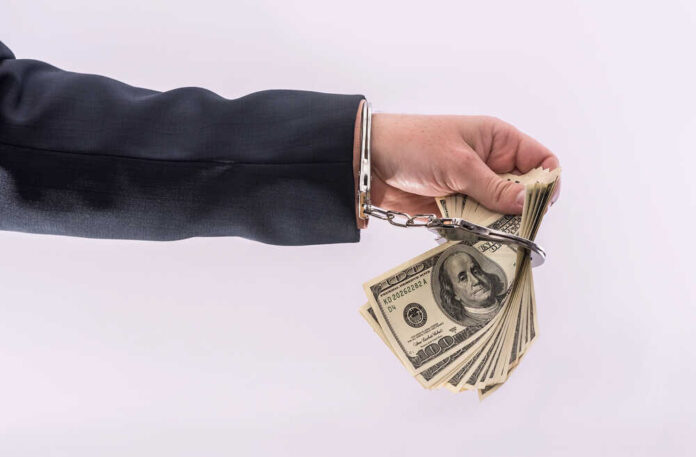
One of the largest government frauds in history just landed a Florida CEO in prison for five years, but the real outrage is how a so-called “Obama phone” program designed to help low-income Americans become a gold mine for corruption—costing taxpayers over $128 million.
At a Glance
- Issa Asad, CEO of Q Link Wireless, sentenced to five years for defrauding federal aid programs.
- Q Link Wireless and Asad ordered to pay more than $128 million in restitution and penalties.
- Fraud targeted the FCC’s Lifeline “Obama phone” program and COVID-19 relief funds.
- The case exposes deep vulnerabilities in federal assistance oversight and program integrity.
Massive Fraud in the Name of “Helping” the Poor
Issa Asad, the head honcho at Q Link Wireless, didn’t just dip his hand in the cookie jar—he bulldozed through the whole pantry. Over nearly a decade, Asad masterminded a scheme that siphoned more than $100 million from the FCC’s Lifeline program, which was supposed to help low-income Americans keep a phone line open. Instead, Asad and his company forged eligibility records, submitted bogus reimbursement claims, and pocketed millions meant for the most vulnerable citizens. The so-called “Obama phone” program, which the left always championed as a lifeline for the needy, turned out to be a jackpot for fraudsters. The audacity is staggering, but the incompetence—or willful blindness—of federal oversight is even worse.
Florida CEO gets 5 years in prison, $128M fine in 'Obama phone' scam https://t.co/BZWuzdF5cc
— FOX Business (@FoxBusiness) July 27, 2025
The scheme didn’t stop at Lifeline, either. When the pandemic hit and government relief dollars started flowing, Asad couldn’t resist. He faked his way through the Paycheck Protection Program too, raking in even more from the taxpayers’ pocket. The result? The largest financial recovery in FCC history, with the Department of Justice and the FCC scrambling to save face and promise reforms after the fact.
How Government “Aid” Became Open Season for Abusers
This was no accident or isolated incident. The fraud took root in a climate where oversight was either asleep at the wheel or so tangled in bureaucracy that real accountability was impossible. The Lifeline program, created in the 1980s and expanded under later administrations, has long been plagued by abuse, but nothing on this scale. Other companies have faced fines before, but Asad’s case shattered records, both for the amount stolen and for the sheer brazenness. The government’s rush to “help” during the pandemic only made things worse. Emergency relief funds were thrown out the door with minimal vetting, and bad actors like Asad saw the opportunity and took it. The actual people the programs were meant to help? Left waiting—or worse, stigmatized by the fallout.
The government response now is all about patching holes after the ship has already sunk. Q Link Wireless still operates, but under the microscope. Compliance costs are up, and legitimate providers face new headaches. Meanwhile, the FCC and DOJ tout the recovery of stolen funds, but none of it changes the fact that the fraud went on for nearly a decade, under the noses of regulators and politicians who were supposed to protect the taxpayers.
Taxpayers Pay Twice—Once for the Scam, Again for the “Fix”
The immediate outcome is that over $128 million is being clawed back from Asad and Q Link Wireless. There’s asset forfeiture, criminal penalties, and restitution payments—on paper, it sounds like justice. But that’s only the first bill. The cost of increased compliance, tighter oversight, and new regulations now lands squarely on the shoulders of taxpayers and honest businesses. The people left most at risk? The ones who genuinely need help, as new hurdles and red tape threaten to cut off their access to vital services.
Regulatory experts are calling for more modernization and tighter controls, but some warn that more red tape could drive legitimate companies out of these programs altogether. The FCC and DOJ are patting themselves on the back for finally catching the crooks, but the bigger question remains: How many more programs are ripe for this kind of abuse, and how long before the next headline?