Trump’s massive military buildup in Puerto Rico signals the most aggressive U.S. stance against the socialist Maduro regime in decades, deploying advanced fighter jets and special operations forces in what experts call preparation for sustained pressure operations targeting Venezuelan drug cartels and regime infrastructure.
Story Highlights
- Operation Southern Spear deploys F-35 fighters, special ops aircraft, and USS Gerald Ford to Caribbean
- Trump authorizes drone strikes on Venezuelan drug facilities and oil tanker seizures
- Military buildup aims to pressure Maduro regime while combating Tren de Aragua gang operations
- Satellite imagery shows doubled aircraft presence at Puerto Rico military facilities
Trump Deploys Overwhelming Military Force
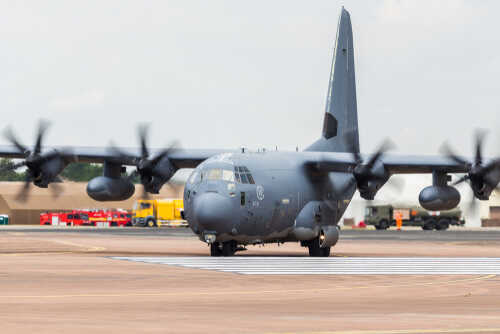
President Trump has authorized the largest Caribbean military deployment in recent history, positioning advanced F-35 fighter jets, MC-130J Commando aircraft, and CV-22B Osprey tiltrotors at Puerto Rican bases. Satellite imagery from late December 2025 documented at least 10 MC-130J aircraft at Rafael Hernandez International Airport, double the previous week’s count. The deployment includes the USS Gerald Ford, the world’s largest aircraft carrier, establishing overwhelming American military superiority in the region.
The operation, designated “Operation Southern Spear,” represents a decisive shift from previous administrations’ weak responses to Venezuelan aggression. Trump’s approach combines economic pressure through oil blockades, targeted military strikes, and massive special operations presence. This integrated strategy directly confronts the socialist Maduro government’s drug trafficking operations and territorial ambitions while protecting American interests in the Caribbean.
Venezuelan Provocations Trigger Military Response
The escalation began after Venezuelan F-16 fighters conducted a “highly provocative” flyover of the USS Jason Dunham in September 2025, prompting immediate deployment of ten F-35 fighters and MQ-9 Reaper drones to Puerto Rico. Venezuela’s Defense Minister reported detecting U.S. combat aircraft near Venezuelan airspace, leading to large-scale Venezuelan military exercises involving over four million Bolivarian Militia soldiers. These hostile actions by the Maduro regime necessitated robust American military positioning to protect regional allies and U.S. interests.
The Venezuelan government’s aggressive responses included withdrawing from energy agreements with Trinidad and Tobago, revoking airline licenses, and creating GPS interference affecting commercial aviation. Eleven airlines suspended flights over Venezuelan airspace due to heightened military activity. These destabilizing actions demonstrate the regime’s willingness to threaten regional commerce and aviation safety, justifying increased American military presence.
Targeted Strikes Against Drug Cartels
U.S. forces have conducted precision drone strikes against Venezuelan drug infrastructure, specifically targeting facilities used by the dangerous Tren de Aragua gang for drug storage and transfer operations. The strikes occurred at remote coastal locations with no reported casualties, demonstrating surgical precision against criminal organizations. Trump has repeatedly stated that U.S. forces would be “going after the land” in Venezuela, emphasizing targeted operations against drug trafficking networks rather than conventional warfare.
The U.S. military is the most lethal and decisive fighting force in the world. The increased U.S. military presence in the Caribbean deters cartels and transnational criminals and strengthens security and prosperity for our homeland and our neighbors in the Western Hemisphere.… pic.twitter.com/oEIVsMRX3L
— U.S. Southern Command (@Southcom) December 29, 2025
The deployment includes sophisticated command and control capabilities, with an E-11A Battlefield Airborne Communications Node positioned at Luis Munoz Marine International Airport. This enhanced infrastructure enables coordinated special operations targeting drug cartels while maintaining clear distinction between criminal organizations and civilian populations. The operation directly addresses American concerns about drug trafficking while avoiding unnecessary escalation with Venezuelan military forces.
Sources:
Trump Doubles Down On Claim U.S. Attacked Inside Venezuela – The War Zone
United States military buildup in the Caribbean during Operation Southern Spear – Wikipedia