
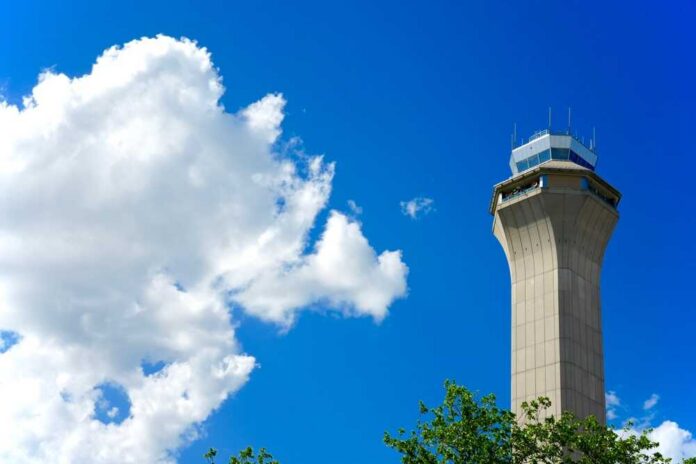
A burning elevator smell at one of America’s busiest airports forced air traffic controllers to evacuate their tower, grounding hundreds of flights and exposing yet another crack in the nation’s crumbling infrastructure—this time on the government’s watch during a chaotic shutdown.
Story Snapshot
- Newark Liberty’s control tower evacuated for one hour on March 23, 2026, halting all arrivals and departures after controllers detected a burning smell from an elevator
- The FAA-managed facility’s equipment failure occurred hours after a deadly LaGuardia crash, compounding Northeast aviation chaos
- Ground stop affected hundreds of flights at a major hub while ICE agents patrolled terminals due to government shutdown staffing shortages
- No fire found, but the incident highlights aging airport infrastructure vulnerabilities that put travelers at risk
One-Hour Ground Stop Paralyzes Major Hub
Air traffic controllers at Newark Liberty International Airport evacuated their tower around 7:30 a.m. ET on March 23, 2026, after detecting a burning smell emanating from an elevator in the FAA-managed facility. The Federal Aviation Administration immediately implemented a ground stop, halting all arrivals and departures at one of the nation’s busiest airports. Controllers shifted operations to a backup tower while authorities investigated the source of the odor. Operations resumed by 8:30 a.m. after no fire was discovered, but the disruption affected hundreds of flights and left travelers stranded during an already chaotic period for Northeast aviation.
Infrastructure Failures Pile Up Under Federal Oversight
The elevator malfunction at Newark’s 88-year-old airport facility raises serious questions about the FAA’s maintenance of critical infrastructure. While the agency claims no prior identical incidents, the quick evacuation suggests controllers had legitimate safety concerns about aging equipment in a tower responsible for managing hundreds of daily flights. This isn’t just about one elevator—it’s about whether federal bureaucrats are properly maintaining facilities that Americans depend on for safe travel. The incident came just hours after a fatal plane collision at LaGuardia killed two pilots, creating a cascading crisis across the region’s airports.
Government Shutdown Adds to Airport Chaos
The Newark disruption occurred during a partial government shutdown that had already forced ICE agents into TSA checkpoint duty at Newark and JFK airports to cover staffing shortages. Senator Cory Booker characterized the situation as “chaos” stemming from administration policies, though the Port Authority maintained operational control. Passengers faced compounded delays as LaGuardia diversions redirected traffic to Newark, only to encounter the tower evacuation. Travelers checking their flight status found themselves caught between a deadly crash investigation at one airport and infrastructure failure at another, all while federal agencies scrambled to maintain basic operations during the shutdown.
Pattern of Aviation Safety Concerns Emerges
Newark’s elevator incident fits into a broader pattern of aviation infrastructure vulnerabilities that should alarm every American who flies. The January 2025 midair collision that killed 67 people was linked to air traffic control lapses, and now we’re seeing control tower equipment failures at major hubs. The FAA’s precautionary protocols prevented escalation at Newark, but relying on backup systems because primary facilities are falling apart is no long-term solution. Airlines and the Port Authority focused on minimizing economic losses, but passengers experienced the real cost—anxiety, delays, and lost time because federal authorities haven’t kept critical infrastructure in working order.
The quick resolution at Newark prevented injuries, but the incident exposes uncomfortable truths about infrastructure priorities under federal management. While bureaucrats and politicians point fingers over shutdown policies, everyday Americans suffer the consequences of deferred maintenance and aging systems at facilities the government controls. The FAA may review tower elevators nationwide, but travelers deserve answers now about why critical safety equipment fails at major airports. Until federal agencies demonstrate they can maintain the infrastructure they oversee, incidents like Newark’s elevator evacuation will continue eroding public confidence in aviation safety.
Sources:
Newark airport shuts down, adding to disruption after LaGuardia accident
ICE agents deployed to TSA checkpoints at JFK, Newark airports
Newark Liberty International Airport ground stop, evacuation amid smoke in air traffic control tower