A national news crew got stuck in Texas desert sand and needed U.S. Border Patrol to pull them out, on camera and at night.
Story Highlights
- MS NOW’s Antonia Hylton said her crew’s Jeep bottomed out in Texas’ Big Bend region and needed rescue by Border Patrol.
- Eight agents in four trucks responded, underscoring how rough and remote this terrain is near the border.
- Customs and Border Protection often conducts desert rescues in Big Bend due to deadly heat and distance.
- The episode highlights the gap between media narratives and ground reality, and the daily demands on agents.
MS NOW Crew Stranded Near Border During Filming
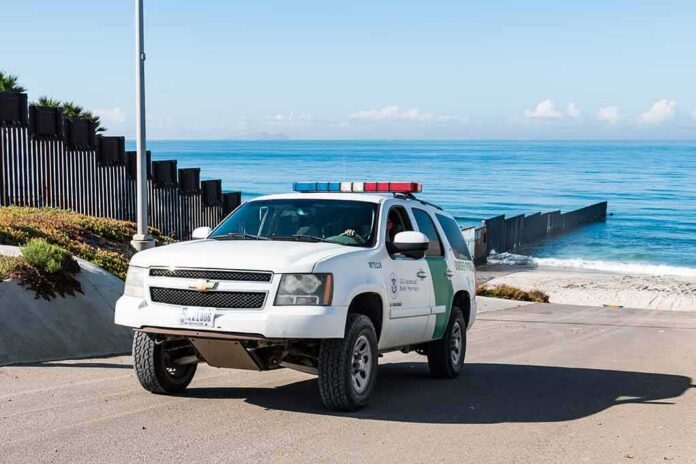
Antonia Hylton told viewers that her MS NOW crew’s Jeep Wagoneer “bottomed out in the desert” while filming near the Texas border. She said eight United States Border Patrol agents in four trucks came to rescue them as daylight faded. The filming trip was tied to her program’s coverage in the Big Bend area, which straddles long, harsh stretches of land with few roads and less cell service than cities enjoy.
Hylton’s account aired as part of a border segment and quickly spread online, where many noted the irony. The same agents who face daily criticism from some media figures were first on scene when the crew needed help. The on-the-ground reality is simple. The desert does not care about politics or press passes. When a vehicle sinks into soft sand or a washout, skill, gear, and local knowledge decide who gets home safely.
Border Patrol’s Rescue Role in Big Bend
United States Customs and Border Protection says agents in West Texas run frequent rescue calls across the Big Bend Sector. Officials describe multi-day stretches with several life-saving operations, often with support from county medics and park rangers. Distress calls can involve citizens, hikers, or migrants. Rugged roads, deep sand, and extreme heat make simple breakdowns dangerous. That is why agents train and stage rescue equipment for rapid response across wide open ground.
Rescue reports from the region show agents coordinating with Air and Marine Operations and local partners when distance and terrain demand more lift or search reach. These cases range from dehydration to people lost off-trail with failing phones. The pattern is consistent year after year. The Big Bend country is beautiful, empty, and unforgiving. Even planned trips can go bad fast. Agents step in because minutes matter, and most places lack quick tow or ambulance access.
What This Incident Says About Policy and Priorities
This event is not only a production mishap. It is a window into daily strain on front-line teams. Agents work long hours tracking smugglers, processing arrests, and still must pivot to rescue calls. When roads vanish into arroyos, they run winch lines and haul people out. That load comes from federal choices and a tough map. Secure borders and well-resourced rescue units protect lives, property, and the rule of law at the same time.
You wanna hear something funny? 😂
Antonia Hylton and her MS NOW crew drove into the Texas desert to report on how brutal Big Bend is and why a wall would be a mistake.
Their Jeep bottomed out.
Eight Border Patrol agents in four trucks had to rescue them after dark.
And then… pic.twitter.com/DRFR4WrgcP
— Gina Milan (@ginamilan_) September 13, 2026
Conservatives see a clear takeaway. Ground truth beats studio spin. The Big Bend desert humbled a well-known outlet in minutes. The rescue that followed showed the skill and grit of men and women in green who rarely get fair credit. Strong support for Border Patrol, serious border enforcement, and honest coverage are not extreme asks. They are common sense steps to keep Americans safe and prevent tragedies in remote country.