
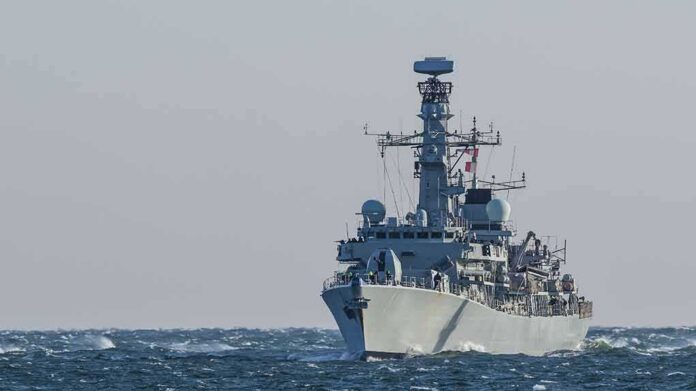
U.S. forces struck three Iranian oil tankers after Iran fired ballistic missiles at two U.S. Navy ships, marking a sharp defense of American sailors and sea lanes.
Story Highlights
- CENTCOM said the strikes followed Iranian missile attacks on two U.S. Navy warships.
- U.S. officials tied the tankers to Iran’s funding and support networks for hostile forces.
- Iran and its media offered competing claims, which U.S. officials disputed.
- The action fits a wider pattern of Iran–U.S. maritime clashes in and around Hormuz.
CENTCOM Links Strikes To Attacks On U.S. Warships
United States Central Command said American forces hit three Iranian crude oil tankers after Iran launched ballistic missiles at two U.S. Navy ships on Saturday. The statement framed the operation as a direct response to protect U.S. sailors and restore deterrence. Prior reporting shows U.S. forces have targeted Iranian military and maritime assets during this crisis, including air defense and radar sites, as part of a broader campaign to stop attacks on ships and allies in the region.
Reporting during recent weeks described a steady climb in incidents near the Strait of Hormuz. That includes Iranian strikes on tankers and U.S. responses against Iranian targets tied to those attacks. The U.S. position has stressed freedom of navigation, the safety of crews, and the need to impose costs on those who endanger commercial shipping. The latest tanker strikes signal that American forces will hit not only launch sites but also the networks that fund and enable such aggression.
Why Tankers Matter: Iran’s “Shadow” Funding Web
U.S. officials have long argued that Iran uses oil shipments and cutouts to move cash to the Islamic Revolutionary Guard Corps and its proxy militias. That money fuels drones, missiles, and mines that threaten ships and bases. By targeting tankers tied to these networks, the U.S. aims to squeeze the cash flow that pays for attacks on Americans and partners. Prior U.S. briefings in this crisis emphasized maritime assets among the targets chosen to blunt Iran’s strike capacity.
Energy flows through Hormuz keep global prices steady and American families protected from spikes at the pump. When Iran fires on ships and pressures sea lanes, it drives up risk and costs. The Trump administration has said it will not allow that. Hitting tankers linked to hostile funding sends a clear message: stop attacking U.S. forces and commercial vessels, or lose the means to finance the fight. That approach matches a classic deterrence model and supports freedom of navigation.
Competing Claims From Tehran And The Fog Of Conflict
Iran and its state media offered several counter-claims. Iranian outlets said two tankers exploded after entering a mined route, a claim the U.S. military called false. Iran’s foreign ministry has labeled its own actions “defensive,” including attacks on U.S.-linked targets during the same period. These statements fit a familiar pattern in past Hormuz crises, where both sides frame rapid moves as self-defense while independent checks trail the news cycle.
🇺🇸 US Strikes Three Iranian Oil Tankers After Attacks on Navy Warships
The U.S. military says it has struck three Iranian crude oil tankers in the Persian Gulf and Gulf of Oman, following what it described as “multiple unprovoked” Iranian attacks targeting U.S. Navy warships.… pic.twitter.com/0KqpaVRfPN
— torchlightnews (@torchlightnews_) September 5, 2026
While Tehran’s story shifts, the core fact stands: U.S. Central Command tied Saturday’s tanker strikes to Iran’s missile attacks on two American warships. That is the trigger Washington presented to the public. As with prior showdowns, more details may emerge. For now, the U.S. is signaling that missiles fired at American ships will bring swift, targeted losses to the networks that back those threats. That stance protects U.S. sailors and the world’s main energy chokepoint.
What It Means For Americans And Allies
President Trump’s team has focused on keeping commerce moving, shielding families from energy shocks, and standing up to regimes that menace U.S. troops. The tanker strikes support all three goals. First, they punish those who fund attacks on ships. Second, they warn off more missile launches. Third, they back allies who rely on open sea lanes. Prior reporting shows this crisis involves repeated Iranian strikes and U.S. responses aimed at stopping those attacks at the source.
Conservatives want clear lines: defend our sailors, keep trade flowing, and do not pay protection money to bullies. Saturday’s action drew that line. The United States answered missiles with precision and hit the pocketbook that pays for them. If Iran stops targeting ships and U.S. forces, pressure can ease. If it continues, it risks more losses to the tools and cash engines that make its attacks possible.