
Israel’s decision to lock in permanent “security zones” across Lebanon, Syria, and Gaza is now testing how far the Trump Pentagon will go to back a close ally while still avoiding a wider Middle East war.
Story Snapshot
- Israel’s defense minister told the U.S. defense secretary that troops will stay indefinitely in security zones inside Lebanon, Syria, and Gaza.
- Prime Minister Benjamin Netanyahu and senior aides say these buffer areas are permanent and vital to prevent another October 7-style attack.
- Roughly 1,000–1,200 square kilometers of foreign territory are now under long-term Israeli military control as part of this doctrine.
- Critics abroad call it open-ended occupation, while Trump’s Pentagon must balance support for Israel with U.S. promises to calm the region.
Israel’s Leaders Lock In Permanent Security Zones
Israeli Defense Minister Israel Katz has publicly declared that the Israel Defense Forces will remain in self-declared security zones inside Lebanon, Syria, and the Gaza Strip “indefinitely,” with no timeline for withdrawal. Katz said these forces will stay as a “buffer between the enemy and Israeli communities,” and stressed that unlike past conflicts, Israel is “not evacuating areas that have been cleared and seized.” Cabinet Secretary Yossi Fox backed this line, calling the zones in Gaza, Lebanon, and Syria “unequivocally” permanent. Together, these statements make clear this is not a short-term move, but a lasting change in Israel’s security policy.
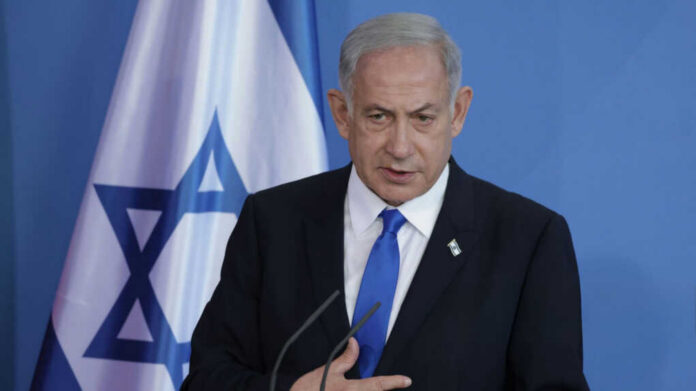
Prime Minister Benjamin Netanyahu has reinforced Katz’s message, saying Israel has created “deep security zones” around the country and will remain in them “for as long as necessary” to protect its citizens from jihadist groups. Katz described their approach as a “clear, unyielding policy” shared with Netanyahu, under which Israeli forces will stay rooted in these buffer areas to guard border towns from hostile fighters. This doctrine grew out of the shock of Hamas’s October 7, 2023 attack, which exposed how quickly terror armies could mass right next to the fence and launch deadly raids inside Israeli territory.
The Scale Of Israel’s New Buffer Doctrine
Reports from Israeli and international outlets show the size of these new buffer zones is far from symbolic. One detailed analysis found the Israel Defense Forces now hold roughly 1,220 square kilometers beyond Israel’s formal borders, including about 60 percent of the Gaza Strip, a strip about 10 kilometers deep in southern Lebanon, and a 15-kilometer corridor inside Syria. An Al Jazeera investigation put the total area under Israeli military control at around 1,000 square kilometers, larger than New York City. These zones are being reshaped with roads, posts, and surveillance systems to give Israeli forces freedom to strike threats before they reach the border.
Israeli security thinkers describe this as a “forward defense” or buffer-zone doctrine that has hardened since October 7. Instead of relying only on fences and missile defenses at the border, Israel is now pushing its line of control outward, emptying or severely restricting areas just beyond its borders and treating them as permanent security belts. Officials argue that defending from inside Israel proved impossible once Hamas, Hezbollah, and other Iran-backed groups could dig tunnels, stockpile rockets, and train fighters within walking distance of Israeli towns. By holding terrain across the line, they say, Israel can keep “terror armies” from ever rebuilding close enough to strike again.
Occupation Fears And Diplomatic Pressure
Outside Israel, many governments and rights groups see these security zones not as neutral buffers, but as a new phase of occupation. The Associated Press noted that Israel’s claim it must control these areas to stop future attacks closely fits the formal definition of military occupation under international law. Amnesty International and other organizations argue that carving out long-term military zones, displacing local residents, and demolishing structures is illegal and deepens civilian suffering. Lebanese and Syrian officials have protested that parts of their territory are being turned into semi-permanent military strips with no agreed end date.
This push has also created strain with foreign diplomats who hoped recent ceasefire frameworks would lead back to pre-October 7 borders. Israeli media reports say the security cabinet has still ordered the Israel Defense Forces to hold the buffer zones, despite strong pressure from international mediators to pull back. Analysts warn that as emergency measures turn into “durable territorial realities,” it becomes much harder to reach political deals, because Israel now sees these belts as essential to survival, while neighbors see them as land grabs that must be reversed.
What It Means For U.S. Policy Under Trump
For the Trump administration, Israel’s firm stance presents a tough balance. On one hand, many American conservatives strongly support Israel’s right to defend itself and understand why October 7 pushed Israeli leaders to say “never again” and hold ground that blocks terror groups from Israel’s borders. On the other hand, the United States has been working to limit new wars, reduce overseas commitments, and push allies to handle more of their own security without dragging America into every fight. Open-ended buffer zones across three countries raise questions about how long Washington can shield Israel from global blowback while still claiming to lower regional tensions.
⚡️🇮🇱🇺🇸 — Israeli Defense Minister Israel Katz held an overnight call with US Defense Secretary Pete Hegseth, explicitly stating that Israel is determined to maintain its military forces within established "security zones" inside Syria, Lebanon, and the Gaza Strip, — AL ARABIYA… pic.twitter.com/gx6Qx7hLwh
— MaxOsint Intel (@maxosintintel) July 16, 2026
For readers wary of endless wars and mission creep, this story is a reminder of how quickly emergency actions can become permanent policy. Israel insists these zones are the only way to keep its citizens safe after October 7, and its leaders are telling the Trump Pentagon they will not pull out “under any temporary or permanent circumstances.” Foreign critics call it occupation and demand rollbacks. The coming months will show whether U.S. pressure can adjust the edges of this policy—without weakening a vital ally’s fight to keep terror armies away from its families and towns.
Sources:
insiderpaper.com, atlanticcouncil.org, aljazeera.com, apnews.com, arabnews.jp, jns.org, facebook.com, pbs.org, dawn.com, en.royanews.tv