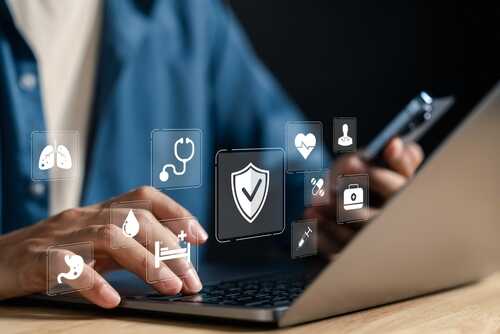
Manitoba’s NDP government has launched a digital health card system that centralizes personal health data in a government-controlled smartphone app, raising serious questions about privacy and government overreach despite officials’ reassurances.
Story Snapshot
- Manitoba rolled out digital health cards via government-issued MB Wallet app on January 12, 2026
- System allows government tracking of health data access and consolidates family information in single app
- Digital cards currently work only within Manitoba, limiting portability and creating dependency
- NDP Premier Wab Kinew promotes expansion to other government documents, building comprehensive digital ID system
Government Expands Digital Surveillance Under Health Modernization Banner
Premier Wab Kinew’s NDP government launched the MB Wallet app on January 12, 2026, allowing Manitobans to store digital health cards on smartphones. The system requires users to apply through government portals and authenticate with PINs or biometrics, giving provincial authorities unprecedented insight into when and where citizens access healthcare services. Unlike private digital wallets, this government-controlled system starts with health cards but explicitly plans expansion to other identification documents.
Privacy Concerns Mount Over Data Control and Family Tracking
The MB Wallet allows users to store multiple family members’ health information in a single app, creating centralized repositories of sensitive personal data. While officials claim users control data sharing, the government maintains the infrastructure and application process, potentially enabling tracking of healthcare access patterns. The system’s QR code technology requires scanning at healthcare facilities, creating digital footprints of medical visits that didn’t exist with traditional plastic cards.
Limited Functionality Raises Questions About True Benefits
Digital health cards function only within Manitoba’s borders, unlike physical cards that work across Canada. This geographical limitation undermines portability arguments while creating potential barriers for emergency care outside the province. Healthcare providers must invest in new QR scanning equipment, adding costs that may ultimately burden taxpayers. The two-hour activation process and required government portal navigation also create bureaucratic hurdles absent from traditional card systems.
Manitoba Government Launches Digital Health Card https://t.co/FUIJuXrqby pic.twitter.com/v9zIrvpUIY
— Manitoba Gov News (@MBGovNews) January 12, 2026
Stepping Stone to Comprehensive Digital ID System
Government officials openly discuss expanding the MB Wallet to include additional identification documents, following global trends toward comprehensive digital ID systems. This expansion could eventually encompass driver’s licenses, social insurance information, and other personal documents, giving provincial authorities centralized access to citizens’ daily activities and movements. The current health card rollout appears designed to normalize digital government tracking before implementing broader surveillance capabilities under the guise of convenience and modernization.
Conservative Canadians should remain vigilant about government digital ID initiatives that promise convenience while potentially compromising privacy and personal autonomy. The Manitoba system represents a concerning precedent for government data collection that other provinces may follow, making it crucial to demand transparency and robust privacy protections before such systems become widespread.
Sources:
Manitoba introduces digital health card
Province rolls out digital health cards
Digital Health Card – Government of Manitoba
Manitoba Government News Release