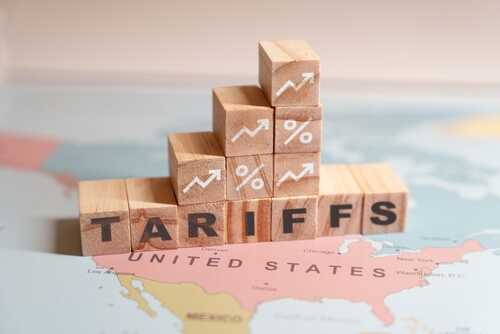
President Trump threatened to impose steep tariffs—to as much as 32%—on select trading partners unless they agreed to significantly increase their purchases of U.S. goods, and Taiwan has reportedly complied, underscoring his aggressive strategy to boost American exports.
At a Glance
- Trump warned Taiwan of a 32% tariff unless the island nation increased its imports of U.S. goods
- Taiwan responded by pledging to buy more U.S. natural gas, oil, agricultural products, and weapons systems
- The ultimatum reflects Trump’s broader “take-it-or-leave-it” tariff posture toward allies and rivals alike
- Financial analysts caution that such tactics could destabilize global supply chains and provoke retaliatory actions
- This move illustrates Trump’s willingness to weaponize tariffs to achieve economic and geopolitical objectives
A Pre-emptive Diplomatic Blow
In the wake of escalating trade pressure, Trump issued a stark ultimatum: increase imports of U.S. goods or face a punitive 32% tariff. Taiwan responded swiftly, promising expanded purchases of liquefied natural gas, oil, food commodities, and U.S.-manufactured defense systems. As reported by Business Insider, this tactic is part of a broader “take-it-or-leave-it” campaign targeting at least 15 U.S. trading partners.
Broadening the Trade Tactic
The Taiwan ultimatum aligns with a more aggressive tariff strategy aimed at reshaping America’s trade balance on a country-by-country basis. Allies such as Japan, South Korea, and the EU are next in line, with upcoming tariff decisions expected in the coming weeks. The Daily Beast notes the administration’s rhetoric increasingly frames trade as a contest of dominance, not diplomacy.
Ripple Effects on Global Markets
Economists warn the policy could reverberate across global supply chains. Fears of retaliatory measures are prompting businesses to stockpile critical goods in advance of price spikes. According to the Wall Street Journal, U.S. importers are already accelerating shipments to hedge against potential tariff shocks.
Strategic Gains vs. Long-Term Risks
While the ultimatum has yielded immediate commercial gains for U.S. exporters, the broader implications remain uncertain. Strengthening U.S. influence over Taiwan’s defense and energy sectors may provoke backlash from Beijing and heighten Indo-Pacific tensions. Analysts argue the short-term benefits may be outweighed by long-term economic instability and political blowback.
Trump’s evolving tariff doctrine—transactional, unilateral, and coercive—signals a decisive break from consensus-based trade policy, replacing it with pressure-driven economic nationalism.